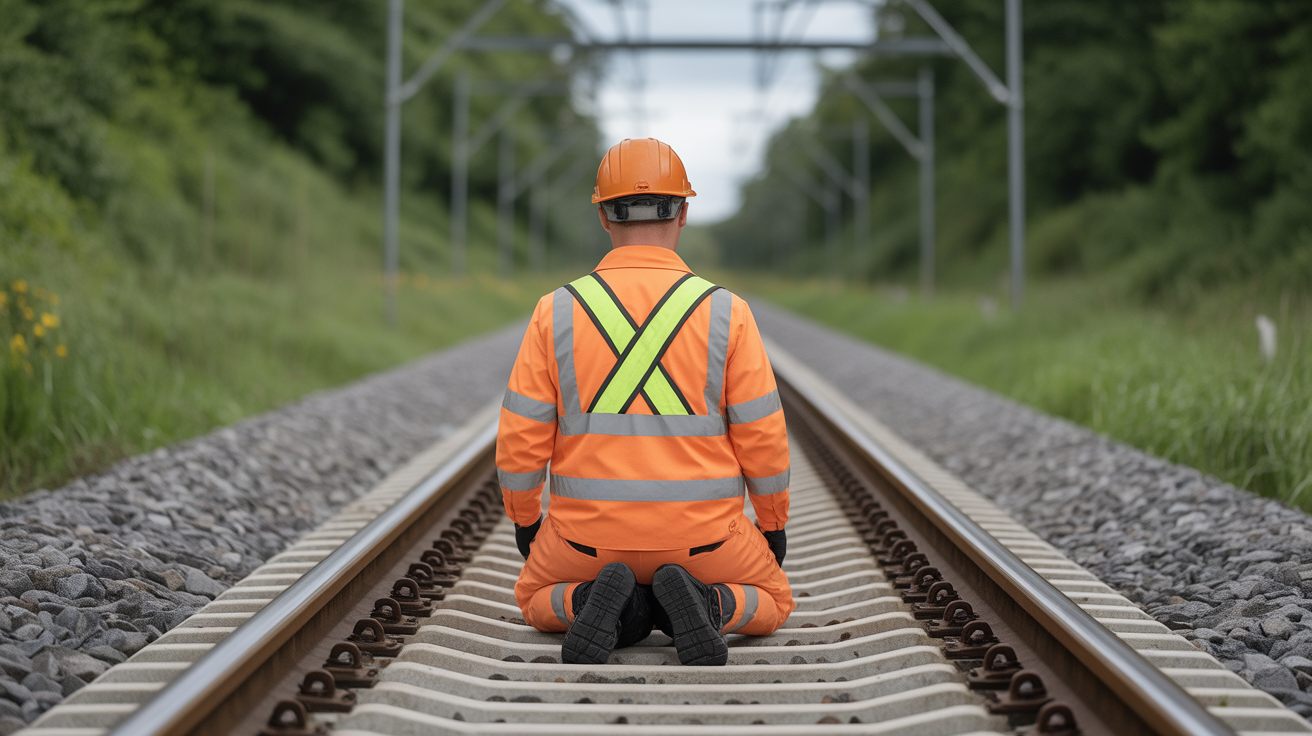
Railway tracks are dynamic, high-risk environments where safety is paramount. Workers face unique hazards, from moving trains to electrical systems and heavy machinery. Understanding safety protocols and having the right training is essential to prevent accidents and respond effectively when emergencies occur. Two key components that enhance railway safety are PTS awareness and emergency first aid training, both of which empower railway staff to protect themselves and others while on site.
Understanding PTS: Personal Track Safety
PTS, or Personal Track Safety, refers to a set of regulations and practices that ensure individuals working on or near railway tracks operate safely. The UK railway industry mandates that anyone accessing the track must be competent in PTS procedures. This training covers hazard awareness, communication protocols, and emergency response strategies.
A PTS training course in London typically introduces participants to the physical and operational risks present on rail infrastructure. Trainees learn to identify trackside dangers, including live rails, moving trains, and environmental hazards such as poor visibility or adverse weather conditions. Beyond awareness, PTS certification provides practical skills to minimise risk during daily operations.
Key Components of PTS Awareness
PTS awareness training focuses on several critical areas:
- Understanding Track Layouts
Workers must know the different types of tracks, signalling systems, and access points. Recognising track features reduces the likelihood of accidental entry into dangerous zones. - Safe Working Practices
PTS training teaches standard operating procedures for tasks near the track, including maintaining safe distances, using personal protective equipment, and following designated access routes. - Communication and Reporting
Clear communication is vital in rail environments. Workers learn radio protocols, warning signals, and how to report hazards or incidents to supervisors. - Emergency Response Procedures
PTS courses cover procedures in case of an incident, such as train movements or accidents, ensuring workers know how to respond safely until professional help arrives.
A PTS training course in London equips participants with the knowledge to anticipate hazards, make informed decisions, and maintain vigilance while working on tracks. However, awareness alone is not enough; accidents can still occur despite precautions.
The Importance of Emergency First Aid Training
Railway environments are prone to accidents ranging from slips and falls to more serious incidents like collisions or electrical injuries. Knowing how to administer first aid can make the difference between life and death. Emergency first aid training prepares railway workers to provide immediate care while waiting for professional medical assistance.
Emergency first aid training teaches essential skills such as:
- Performing CPR for cardiac arrest
- Controlling severe bleeding
- Treating burns and fractures
- Managing choking incidents
- Recognising signs of medical emergencies, such as strokes or seizures
Integrating emergency first aid with PTS awareness ensures workers are not only preventing accidents but are also ready to respond when incidents occur. A PTS training course London often highlights the synergy between track safety and first aid, showing how knowledge in both areas enhances overall safety on site.
Real-World Scenarios
Imagine a maintenance worker tripping on uneven track ballast, sustaining a severe cut. Without first aid knowledge, bleeding could worsen, and panic may delay help. A worker trained in emergency first aid can act immediately, apply pressure to control bleeding, and stabilise the casualty until emergency services arrive.
Similarly, a worker might witness a colleague experiencing cardiac arrest on site. Knowing CPR and defibrillator procedures allows immediate intervention, increasing the victim’s chance of survival. These scenarios illustrate why combining PTS awareness with first aid training is essential for a safe railway work environment.
Benefits of Combining PTS and First Aid Training
- Reduced Risk of Accidents
PTS training instills a proactive mindset, encouraging workers to identify and mitigate hazards before they escalate. - Faster Emergency Response
Workers trained in first aid can respond immediately, providing care that could prevent complications or fatalities. - Increased Confidence on Site
Knowledge empowers workers to navigate tracks safely, handle equipment properly, and act decisively in emergencies. - Enhanced Team Safety
Teams where multiple members hold PTS certification and first aid skills are better equipped to look after each other, creating a safer working environment. - Regulatory Compliance
Railway companies must ensure staff meet legal safety standards. A PTS training course London fulfills regulatory requirements and demonstrates a commitment to workplace safety.
Maintaining Skills and Knowledge
Safety on railway tracks is an ongoing commitment. Regulations, technology, and best practices evolve over time. Workers should refresh their PTS training periodically and participate in recurring first aid courses to keep their skills sharp. Regular practice ensures that responses during emergencies are fast, accurate, and confident.
Simulation exercises are particularly effective. Practising scenarios such as trackside injuries, equipment accidents, or sudden medical emergencies helps embed the knowledge gained in formal training. By combining classroom instruction with hands-on experience, a PTS training course London ensures that participants are ready to respond in real-world conditions.
Encouraging a Safety Culture
Individual training is essential, but building a culture of safety amplifies its impact. Rail organisations should encourage open communication, hazard reporting, and peer support. Workers trained in both PTS awareness and emergency first aid can act as role models, sharing knowledge with colleagues and fostering a vigilant, safety-conscious environment.
A strong safety culture not only reduces incidents but also improves overall operational efficiency. Teams that feel confident in their ability to manage hazards are less likely to experience delays caused by accidents, contributing to smoother railway operations.
Conclusion
Railway track safety depends on preparation, awareness, and swift action. PTS awareness equips workers with the knowledge to navigate trackside risks effectively, while emergency first aid training ensures they can respond to accidents and medical emergencies confidently. Together, these skill sets save lives, prevent serious injuries, and promote a safer railway environment.
For anyone working near or on railway tracks, completing a PTS training course in London is not just a regulatory requirement—it is a vital step toward protecting oneself and colleagues. By combining technical safety knowledge with lifesaving first aid skills, railway staff can confidently face the challenges of their work environment, knowing they are prepared to act decisively when it matters most.
A commitment to ongoing training, regular practice, and a strong safety culture ensures that emergency situations are managed efficiently and effectively, demonstrating the real-world importance of both PTS awareness and emergency first aid training in maintaining railway safety.