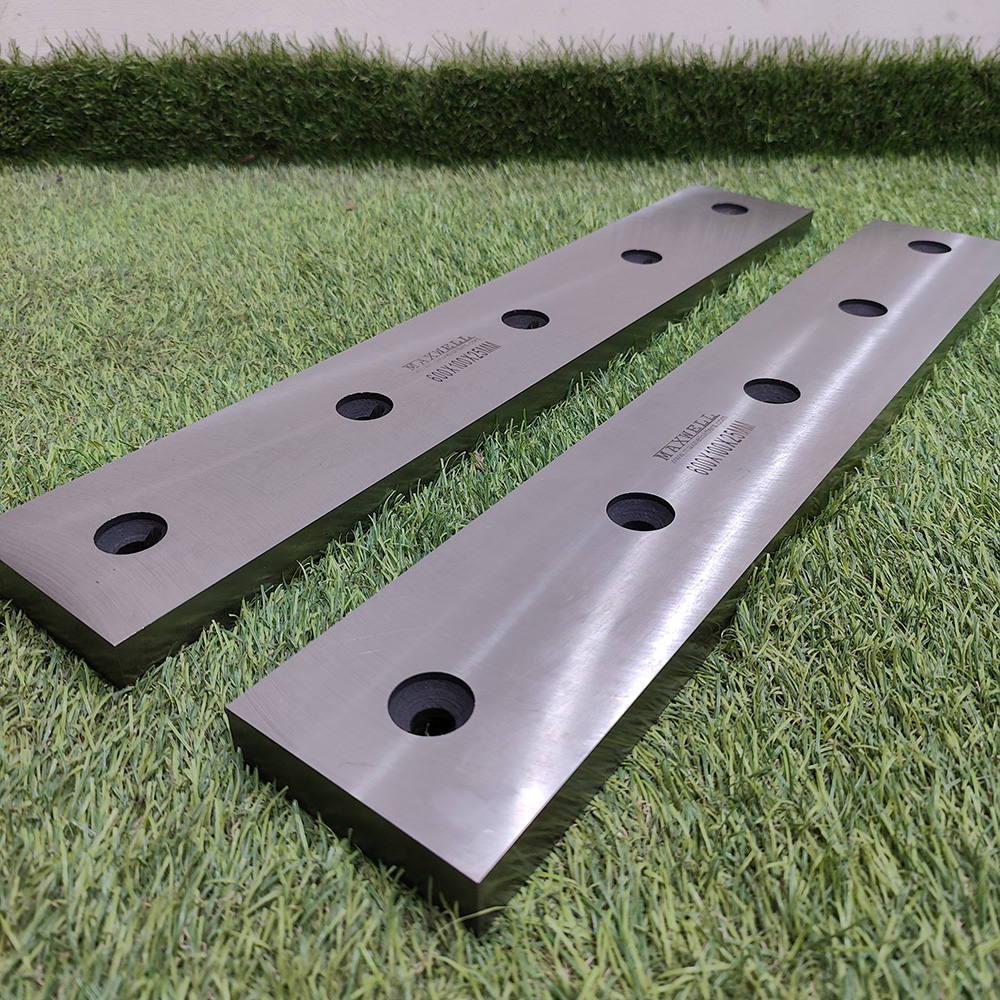
When it comes to metal cutting, choosing the right tools can make a big difference in quality, efficiency, and cost. One of the most important tools in this process is shear blades. Whether you are working in manufacturing, construction, or metal fabrication, selecting the right shear blades ensures clean cuts, longer tool life, and better overall performance.
In this article, we will explore how to choose the best shearing blades for metal cutting applications in a simple and practical way.
Understanding Shear Blades
Shear blades are cutting tools used in machines to cut metal sheets, plates, or bars. These blades work by applying force to shear the metal along a straight or curved line. They are commonly used in guillotine shears, alligator shears, and other cutting machines.
The quality of your shear blades directly affects the precision of your cuts and the efficiency of your operation. Poor-quality blades can lead to rough edges, material waste, and frequent replacements.
Key Factors to Consider When Choosing Shear Blades
Key factors to consider when choosing shear blades include material type, blade composition, hardness, clearance, coating, size, and maintenance requirements.
1. Type of Material to Be Cut
The first thing you need to consider is the type of metal you will be cutting. Different metals have different hardness levels and properties.
- Soft metals like aluminum require less कठोर blades.
- Hard metals like stainless steel need stronger, wear-resistant shear blades.
If you choose the wrong blade for your material, it can wear out quickly or fail to cut properly.
2. Blade Material
Shear blades are made from different types of steel and alloys. The most common materials include:
- High Carbon Steel – Good for general use and softer metals.
- High-Speed Steel (HSS) – Offers better heat resistance and durability.
- Tool Steel (like D2, H13) – Ideal for heavy-duty applications and harder metals.
Choosing the right blade material ensures longer life and consistent performance.
3. Hardness and Toughness
A good balance between hardness and toughness is important.
- Hardness helps the blade stay sharp longer.
- Toughness prevents the blade from cracking or breaking under pressure.
If the blade is too hard, it may become brittle. If it is too soft, it will dull quickly. Always look for shear blades that offer a balanced combination of both.
4. Blade Clearance
Blade clearance refers to the gap between the upper and lower blades during cutting. This plays a major role in cut quality.
- Too little clearance can damage the blades.
- Too much clearance can cause rough or uneven edges.
The correct clearance depends on the thickness and type of material. Proper adjustment improves blade life and cutting precision.
5. Coating and Surface Treatment
Some shear blades come with special coatings or surface treatments to improve performance. These may include:
- Nitriding – Increases surface hardness and wear resistance.
- Coatings like TiN (Titanium Nitride) – Reduce friction and heat.
These treatments help in extending blade life and improving cutting efficiency, especially in high-volume operations.
6. Blade Size and Shape
Shear blades come in different sizes and shapes depending on the machine and application. Always ensure that the blade matches your machine specifications.
Using the wrong size or shape can lead to poor performance and even damage your equipment.
7. Cutting Frequency and Workload
If your operation involves continuous or heavy-duty cutting, you need high-quality, durable shear blades that can handle the workload.
For occasional use, standard blades may be sufficient. But for industrial use, investing in premium blades saves money in the long run.
8. Maintenance and Sharpening
Even the best shear blades need maintenance. Look for blades that are easy to sharpen and maintain.
Regular sharpening helps in:
- Maintaining clean cuts
- Reducing machine load
- Extending blade life
Also, proper storage and handling prevent damage and corrosion.
Signs You Need New Shear Blades
Knowing when to replace your shear blades is just as important as choosing the right ones. Here are some common signs:
- Rough or jagged edges on cut metal
- Increased cutting force required
- Visible wear or chipping on the blade
- Excessive noise during cutting
If you notice these signs, it may be time to platform or sharpen your blades.
Tips for Getting the Best Performance
To get the most out of your shear blades, follow these simple tips:
- Always use the correct blade for the material
- Maintain proper blade clearance
- Keep blades clean and lubricated
- Avoid overloading the machine
- Schedule regular inspections
These small steps can greatly improve performance and reduce downtime.
Choosing the Right Supplier
The quality of shear blades also depends on the manufacturer or supplier. Always choose a trusted supplier who offers:
- High-quality materials
- Proper heat treatment
- Customization options
- Technical support
A reliable supplier ensures that you get blades that meet your exact needs.
Final Thoughts
Choosing the best shear blades for metal cutting applications is not just about price—it’s about performance, durability, and efficiency. By considering factors like material type, blade composition, hardness, and maintenance, you can make a smart decision that improves your workflow and reduces costs.
Investing in the right shear blades means better cuts, less waste, and longer-lasting tools. Whether you are running a small workshop or a large manufacturing unit, the right choice will always pay off.