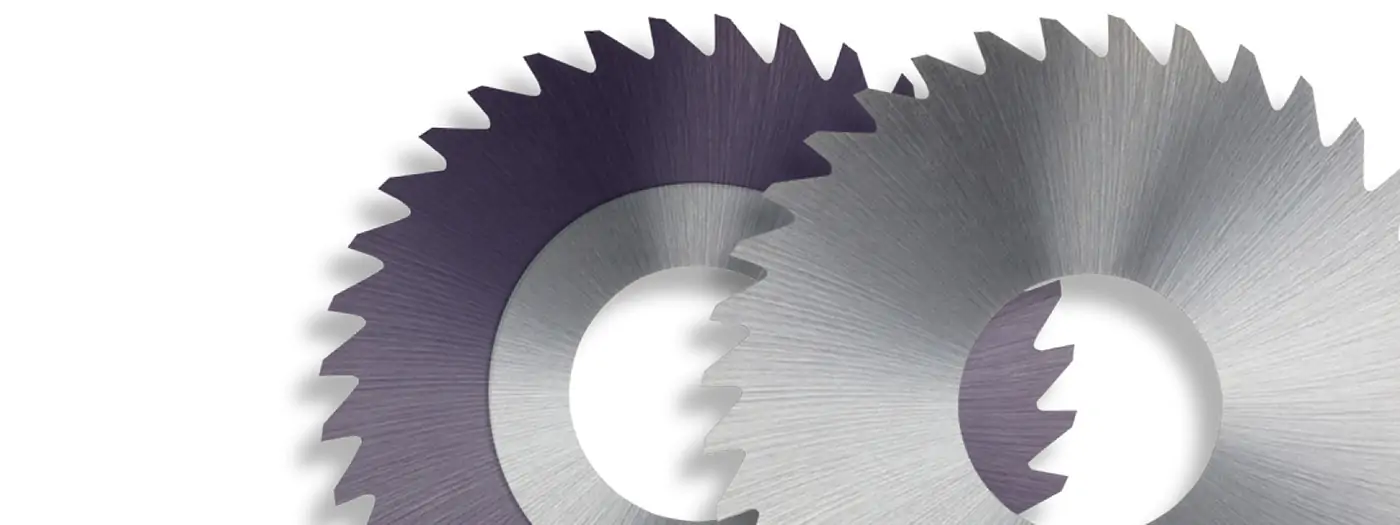
In the world of precision machining and metalworking, slitting saws play a vital role in delivering clean, accurate, and efficient cuts. These circular cutting tools are widely used for slotting, cutting off materials, and creating narrow grooves in metals, plastics, and other industrial materials. However, even the highest-quality slitting saw can lose its effectiveness without proper maintenance.
Routine care and maintenance not only extend the lifespan of the tool but also improve cutting accuracy, reduce downtime, and increase overall productivity. Whether you operate in a small machine shop or a large manufacturing facility, maintaining your slitting saws is essential for achieving consistent results.
Understanding the Importance of Slitting Saw Maintenance
Slitting saws are exposed to high friction, heat, and pressure during cutting operations. Over time, these conditions can cause wear, tooth damage, dull edges, and alignment issues. Ignoring maintenance can lead to:
- Poor cutting accuracy
- Increased material waste
- Tool breakage
- Machine vibration
- Reduced production efficiency
- Higher replacement costs
Proper maintenance helps operators identify issues early and maintain optimal tool performance throughout the cutting process.
Keep the Slitting Saw Clean After Every Use
One of the simplest yet most effective maintenance practices is cleaning the slitting saw after each operation. During cutting, chips, coolant residue, and dust can accumulate between the teeth and on the blade surface.
If debris is left unattended, it may affect the saw’s cutting precision and create unnecessary friction.
Cleaning Tips:
- Use a soft brush or compressed air to remove chips and particles
- Wipe the blade with a clean cloth after use
- Avoid using harsh chemicals that may damage the coating
- Store the blade only after it is completely dry
A clean slitting saw performs more efficiently and reduces the chances of corrosion or tooth damage.
Inspect the Teeth Regularly
The teeth of a slitting saw are the most important part of the cutting tool. Damaged or worn teeth can produce rough cuts, excessive vibration, and uneven grooves.
Routine inspection helps identify issues before they affect production quality.
What to Check:
- Chipped or broken teeth
- Uneven tooth wear
- Rounded cutting edges
- Signs of overheating or discoloration
- Material buildup between teeth
If you notice severe wear or damage, the blade may require sharpening or replacement.
Sharpen the Blade at the Right Time
A dull slitting saw increases cutting resistance, generates excess heat, and places unnecessary stress on the machine. Sharpening the blade at the correct interval restores cutting efficiency and improves surface finish quality.
Waiting too long to sharpen can permanently damage the blade.
Benefits of Proper Sharpening:
- Cleaner and smoother cuts
- Reduced cutting pressure
- Lower heat generation
- Improved dimensional accuracy
- Extended tool life
Professional sharpening services can restore the original tooth geometry and ensure balanced cutting performance.
Use the Correct Cutting Speed and Feed Rate
Incorrect machine settings are one of the leading causes of premature slitting saw wear. Operating at excessive speed or improper feed rates creates unnecessary friction and overheating.
Different materials require specific cutting parameters for optimal results.
General Recommendations:
- Use lower speeds for harder metals
- Maintain steady feed rates to avoid vibration
- Avoid forcing the blade through the material
- Refer to manufacturer guidelines for RPM settings
Using the correct cutting conditions helps preserve blade sharpness and enhances overall machining efficiency.
Apply Proper Coolant and Lubrication
Coolants and lubricants are essential for maintaining slitting saw performance during heavy-duty operations. They help reduce heat, minimize friction, and flush away chips from the cutting zone.
Without proper lubrication, blades can overheat quickly and suffer from accelerated wear.
Advantages of Coolant Usage:
- Prevents overheating
- Improves surface finish
- Reduces tooth wear
- Minimizes chip welding
- Enhances cutting precision
Always ensure the coolant reaches the cutting area effectively and use fluids recommended for your material type.
Check Blade Alignment and Arbor Condition
Improper blade alignment can negatively impact cutting accuracy and place uneven stress on the slitting saw. Similarly, worn or damaged arbors can create wobbling and vibration during operation.
Routine machine inspection is important for stable and accurate cutting.
Alignment Maintenance Tips:
- Ensure the blade is mounted securely
- Check arbor surfaces for wear or dirt
- Verify blade runout using measuring tools
- Replace damaged spacers or collars
- Tighten mounting components properly
Correct alignment reduces vibration and improves the life of both the blade and machine spindle.
Store Slitting Saws Properly
Improper storage can lead to corrosion, tooth damage, and loss of blade sharpness. Slitting saws should always be stored in a clean, dry, and organized environment.
Throwing blades together in a toolbox can damage the cutting edges and shorten their lifespan.
Best Storage Practices:
- Store blades in protective cases or racks
- Keep tools away from moisture and humidity
- Separate blades to avoid tooth contact
- Label blades by size and application
Organized storage improves workplace efficiency and protects valuable cutting tools.
Avoid Excessive Cutting Pressure
Applying too much force during cutting can damage the slitting saw and overload the machine. Excessive pressure often results from dull blades, incorrect feed settings, or poor setup.
Instead of forcing the cut, allow the blade to perform at its designed cutting capacity.
Signs of Excessive Pressure:
- Loud cutting noise
- Blade deflection
- Rough or burnt cuts
- Machine vibration
- Premature tooth wear
Reducing cutting pressure improves safety and produces cleaner, more accurate results.
Monitor for Vibration and Noise
Unusual vibration or noise during cutting operations is often a warning sign of maintenance issues. Ignoring these signs can lead to blade failure or machine damage.
Common causes include:
- Worn teeth
- Improper mounting
- Imbalanced blades
- Incorrect spindle speed
- Loose machine components
Operators should stop the machine immediately if abnormal vibration occurs and inspect the setup thoroughly.
Choose High-Quality Slitting Saw Blades
Maintenance becomes easier and more effective when using high-quality slitting saw blades designed for industrial applications. Premium blades are manufactured with durable materials, precision tooth geometry, and advanced coatings that improve wear resistance.
Low-quality blades may save money initially, but they often wear out faster and require more frequent maintenance.
Features of Quality Slitting Saws:
- High-speed steel or carbide construction
- Precision-ground teeth
- Heat-resistant coatings
- Consistent cutting accuracy
- Long operational lifespan
Investing in reliable cutting tools improves productivity and reduces operational costs over time.
Train Operators on Proper Usage
Even the best-maintained slitting saw can fail if operators use incorrect cutting techniques. Providing proper training helps reduce mistakes and ensures safe handling of cutting equipment.
Important Training Areas:
- Correct blade installation
- Machine setup procedures
- Feed and speed adjustments
- Safe cutting practices
- Inspection and cleaning methods
Well-trained operators contribute significantly to tool longevity and production quality.
Schedule Preventive Maintenance
Preventive maintenance is the key to avoiding unexpected downtime and expensive repairs. Instead of waiting for problems to occur, businesses should establish regular maintenance schedules for both slitting saws and machinery.
A Preventive Maintenance Checklist May Include:
- Blade inspection
- Cleaning routines
- Lubrication checks
- Arbor and spindle inspection
- Tool sharpening schedules
- Machine calibration
Consistent maintenance planning improves reliability and extends equipment lifespan.
The Long-Term Benefits of Proper Slitting Saw Maintenance
Maintaining slitting saws is not just about protecting a cutting tool—it directly affects production quality, operational efficiency, and business profitability.
Key Long-Term Advantages:
- Reduced tool replacement costs
- Improved cutting consistency
- Lower machine downtime
- Better workplace safety
- Increased productivity
- Enhanced product quality
Companies that prioritize maintenance often experience smoother operations and greater manufacturing efficiency.
Conclusion
Slitting saws are essential tools in precision cutting and industrial machining, but their performance depends heavily on proper maintenance practices. Regular cleaning, blade inspection, sharpening, lubrication, and correct machine setup all contribute to improved cutting performance and longer tool life.
By implementing preventive maintenance routines and using high-quality slitting saw blades, manufacturers can reduce downtime, improve productivity, and achieve cleaner, more accurate cuts across a wide range of applications.