Recognizing the signs of gambling addiction A guide to awareness and support
Understanding Gambling Addiction
Gambling addiction, also known as compulsive gambling or gambling disorder, is a serious condition that affects individuals across various demographics. It manifests as an uncontrollable urge to gamble despite the negative consequences it may bring. This addiction can lead to financial ruin, strained relationships, and deteriorating mental health, making it crucial to recognize the signs early. For those looking for alternatives, exploring a non gamstop casino can be an interesting option for a wider range of gaming experiences.
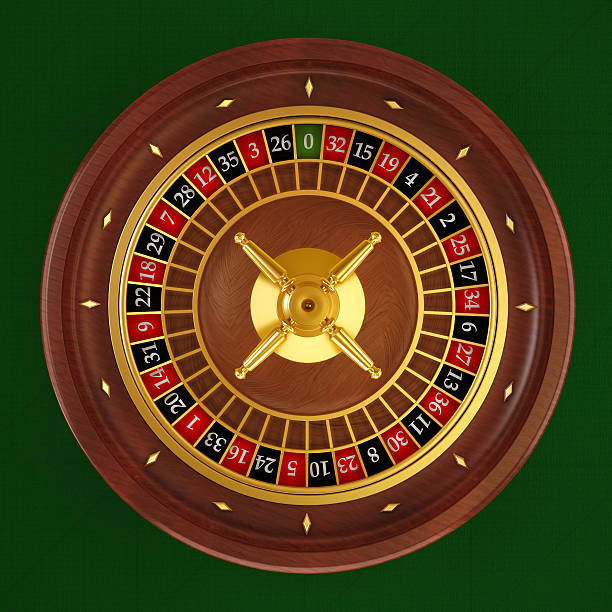
Individuals with a gambling addiction often prioritize betting over important aspects of their lives, such as family, work, and responsibilities. This compulsive behavior can be difficult to detect initially, as many may attempt to hide their gambling habits, leading to further isolation and emotional distress.
Identifying Common Signs
Recognizing the signs of gambling addiction is the first step toward seeking help. Some common indicators include a preoccupation with gambling, increased tolerance over time, and a growing need to gamble with larger amounts of money to achieve the same thrill. Additionally, an individual may frequently lie about their gambling activities or engage in deceitful behavior to continue betting.
Other warning signs may include withdrawal symptoms when attempting to reduce or stop gambling, chasing losses by gambling more, and using gambling as a way to escape from life’s problems. Being aware of these signs is essential for both individuals and their loved ones, as it can prompt discussions about seeking help or intervention.
The Impact of Gambling Addiction
The consequences of gambling addiction extend far beyond the individual. Relationships with family and friends often suffer as trust erodes, leading to feelings of guilt and shame for the individual. Financial struggles resulting from gambling losses can result in debt, bankruptcy, and even legal troubles, further complicating the situation.
Mental health can also be severely affected, with individuals at higher risk for anxiety, depression, and suicidal thoughts. Recognizing the multifaceted impact of gambling addiction is vital in fostering understanding and compassion, both for those suffering from the addiction and for their support networks.
Seeking Help and Support
If you or someone you know is struggling with gambling addiction, it is important to seek professional help. Various treatment options are available, including therapy, support groups, and specialized programs that address gambling addiction specifically. Cognitive-behavioral therapy, for instance, has shown efficacy in helping individuals change harmful gambling behaviors.
Support from family and friends can also play a significant role in recovery. Creating an open and understanding environment can encourage individuals to talk about their struggles and explore treatment options. There are numerous organizations and hotlines available that provide resources and support for those affected by gambling addiction, making the journey toward recovery more manageable.
:max_bytes(150000):strip_icc():format(webp)/Casino-Games-by-Michael-Blann-GettyImages-200325572-001-5c26042d46e0fb00017bb4b3.jpg)
About This Resource
This article aims to raise awareness about gambling addiction and its signs, providing essential information for individuals and their loved ones. Understanding the complexities of this addiction is crucial for promoting awareness and encouraging conversations around the topic. By recognizing the signs and understanding the impact, we can foster a supportive environment for recovery.
If you are seeking further information or assistance regarding gambling addiction, please explore available resources dedicated to helping individuals navigate this challenging journey. Awareness and support are key components in overcoming gambling addiction and fostering healthier relationships with gambling activities.