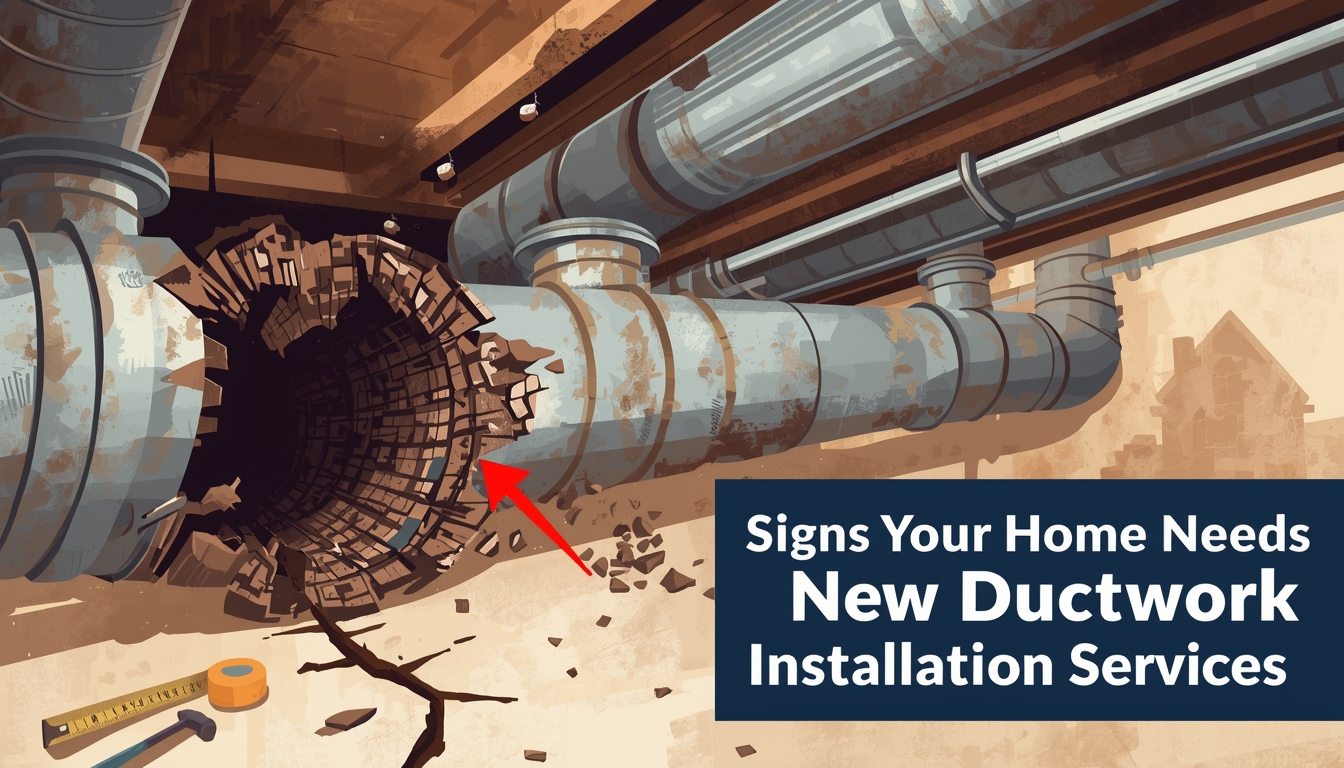
Heating and cooling systems rely on more than just a furnace or air conditioner. Ductwork plays a central role in delivering conditioned air throughout your home. When ducts function properly, they distribute air evenly, maintain comfort, and support energy efficiency. When they fail, they create discomfort, uneven temperatures, and higher utility bills.
Many homeowners focus on upgrading HVAC equipment but overlook aging or damaged ducts. In reality, deteriorating duct systems often cause the very problems people blame on heating or cooling units. Understanding the warning signs helps you determine when ductwork installation services may be necessary.
Below are the most common indicators that your home may need new ductwork and why those issues matter.
Uneven Temperatures from Room to Room
If some rooms feel significantly warmer or cooler than others, your duct system may not distribute air correctly. Temperature imbalance often signals leaks, blockages, or poorly designed duct layouts.
Over time, ducts can develop cracks, loose connections, or collapsed sections. These problems allow conditioned air to escape before it reaches intended rooms. In older homes, original duct systems may not match current HVAC capacity, especially if renovations or additions changed the layout.
When airflow problems persist despite equipment maintenance, professionals may recommend ductwork installation services in Boston to redesign and replace inefficient duct runs. A properly installed system restores balanced airflow and improves overall comfort.
Rising Energy Bills Without Clear Explanation
Energy costs naturally fluctuate with seasons. However, if your utility bills continue to rise despite normal usage, your ductwork may waste energy behind the scenes.
Leaky or poorly insulated ducts force your HVAC system to work harder. When air escapes into attics, crawl spaces, or wall cavities, the system compensates by running longer cycles. This inefficiency increases energy consumption and strains mechanical components.
Replacing outdated or damaged ducts through ductwork installation services can significantly reduce energy loss. New duct systems use improved sealing methods and modern insulation standards, which help maintain consistent airflow and reduce unnecessary energy use.
Excessive Dust and Poor Indoor Air Quality
If you notice constant dust buildup even after cleaning, your ductwork may contribute to the problem. Cracks or gaps in ducts can pull dust, insulation fibers, and debris from attics or crawl spaces into the air stream.
Older duct materials may also deteriorate internally. As lining breaks down, small particles circulate through vents and settle throughout your home.
Persistent indoor air quality issues often prompt homeowners to consider ductwork installation services. Replacing compromised ducts reduces contaminant entry points and helps maintain cleaner airflow pathways.
Visible Damage or Aging Duct Materials
Physical inspection can reveal obvious warning signs. If you access your attic or basement and notice crushed ducts, disconnected joints, rusted metal, or deteriorating insulation, your system likely needs attention.
Flexible ducts can sag over time. Metal ducts can corrode. Tape seals can dry out and detach. These issues weaken airflow performance and increase leakage.
Duct systems typically last 15 to 25 years, depending on materials and environmental conditions. If your home has original ductwork from decades ago, ductwork installation services may become more practical than repeated patch repairs.
Persistent Noises from the Duct System
Ductwork should operate quietly. While mild airflow sounds are normal, loud rattling, whistling, or banging noises often signal structural problems.
Common causes include:
- Loose duct connections
- Improper sizing
- Collapsed internal lining
- Pressure imbalance
When ducts are undersized for the HVAC system, they create excessive static pressure. This pressure can produce popping sounds as metal expands and contracts.
In cases of poor design or extensive deterioration, ductwork installation services may resolve ongoing noise issues by installing properly sized and supported ducts.
Weak Airflow from Vents
If airflow feels weak even when the system runs at full capacity, the issue may originate in the duct network rather than the HVAC unit itself.
Blockages, severe leaks, or poorly configured duct runs restrict airflow. Over time, debris accumulation can also narrow interior passages. However, when cleaning and sealing fail to correct the issue, replacement may become necessary.
Ductwork installation services address underlying design flaws and airflow restrictions. New systems ensure air travels efficiently from the air handler to each vent without unnecessary resistance.
Frequent HVAC Repairs
When heating and cooling systems struggle due to duct problems, mechanical components wear out faster. Blower motors, compressors, and heat exchangers may experience added strain from poor airflow or pressure imbalance.
If you find yourself scheduling frequent HVAC repairs, evaluate the condition of your ductwork. Replacing equipment without addressing faulty ducts often leads to repeated issues.
In many cases, ductwork installation services improve system efficiency and reduce mechanical stress, extending the life of HVAC components.
Home Renovations or Additions
If you recently remodeled your home or added square footage, your original duct system may no longer suit the updated layout. Expanded living spaces require recalculated airflow distribution.
Older duct designs rarely accommodate modern insulation standards or open-concept floor plans. Without proper redesign, some areas may receive too much air while others receive too little.
During major renovations, professionals often recommend ductwork installation services to ensure the new configuration meets current airflow demands. Proper planning prevents comfort issues before they begin.
Mold or Moisture Issues in Ducts
Moisture accumulation inside ducts creates an environment for mold growth. Condensation may form due to poor insulation, air leaks, or improper sizing.
Visible mold inside ductwork raises health and structural concerns. While minor contamination may respond to cleaning, widespread moisture damage often requires replacement.
Ductwork installation services can address insulation gaps and eliminate sections compromised by mold growth. New, properly sealed ducts reduce future condensation risks.
Inconsistent Air Pressure When Doors Close
If doors slam shut or feel difficult to close when the HVAC system runs, pressure imbalance may exist within the duct system. Poor airflow design can trap air in certain rooms while starving others.
Balanced duct systems allow return air to circulate freely. When ducts lack adequate return pathways, pressure builds up and disrupts airflow.
Replacing outdated duct layouts through ductwork installation services restores balanced pressure and improves overall system performance.
Old or Inefficient Duct Design
Homes built decades ago often feature duct systems that do not meet current energy standards. Older installations may use undersized trunks, long twisting runs, or insufficient returns.
Even if ducts appear intact, outdated design can limit efficiency. Modern ductwork installation services focus on precise load calculations, proper sizing, and optimized routing.
New installations reduce static pressure, improve airflow velocity, and enhance temperature consistency throughout the home.
When Replacement Makes More Sense Than Repair
Minor duct leaks can sometimes be sealed. Small sections may be replaced individually. However, extensive deterioration across multiple areas often makes full replacement more cost-effective over time.
Repeated patchwork repairs rarely solve fundamental design or aging problems. If repairs become frequent and airflow issues persist, evaluating ductwork installation services may provide a long-term solution.
A properly designed duct system supports HVAC performance, reduces energy waste, and improves overall comfort. Addressing duct issues proactively helps prevent larger mechanical failures later.
Final Thoughts
Your home’s duct system works quietly in the background, but it plays a vital role in comfort and efficiency. Uneven temperatures, rising energy bills, poor air quality, unusual noises, and weak airflow all signal potential duct problems.
While regular maintenance can extend duct life, aging materials and outdated designs eventually require replacement. Recognizing the signs early allows homeowners to explore ductwork installation services before issues escalate.
A well-installed duct system ensures balanced airflow, supports HVAC longevity, and creates a healthier indoor environment. Paying attention to warning signs helps you make informed decisions about your home’s long-term performance.
Frequently Asked Questions (FAQs)
1. How long does residential ductwork typically last?
Most residential duct systems last between 15 and 25 years. Lifespan depends on materials, climate conditions, insulation quality, and maintenance practices throughout the home’s heating and cooling cycles.
2. Can damaged ductwork affect indoor air quality?
Yes. Cracks and leaks allow dust, insulation fibers, and contaminants to enter airflow pathways. Damaged ducts can circulate pollutants throughout living spaces and worsen allergy or respiratory symptoms.
3. Is duct repair always enough, or is replacement sometimes necessary?
Minor leaks and small sections can often be repaired. However, widespread deterioration, outdated design, or severe airflow imbalance typically requires full duct replacement for lasting performance improvements.
4. Does new ductwork improve energy efficiency?
Properly designed and sealed ducts reduce air leakage and pressure loss. Improved airflow efficiency allows HVAC systems to operate more effectively, lowering overall energy consumption in many homes.
5. What causes ductwork to fail prematurely?
Poor installation, inadequate insulation, moisture exposure, pest damage, and neglect can shorten duct lifespan. Regular inspection and maintenance help identify early problems before major replacement becomes necessary.