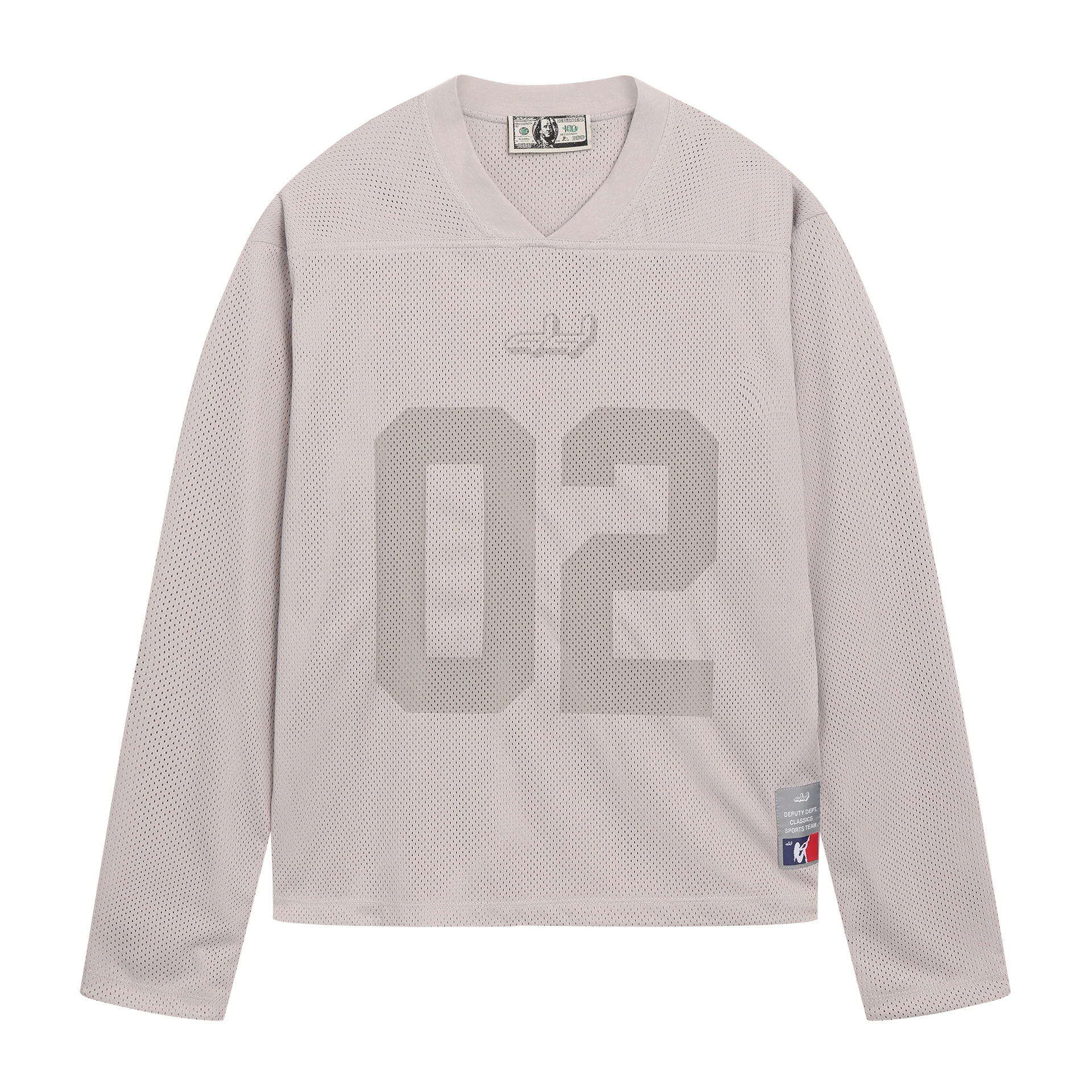
The fashion industry is a whirlwind of creativity, trends, and innovation. Behind the glamorous runway shows and stunning collections lies a critical component that often goes unnoticed: Deputy Department Quality. This aspect plays an essential role in ensuring that every piece of clothing meets high standards before it reaches consumers.
As brands strive to stand out in a saturated market, maintaining quality becomes non-negotiable. A strong deputy department can mean the difference between success and failure for fashion labels striving for excellence. By understanding its significance, we can uncover how these unsung heroes shape the industry from behind the scenes.
Join us as we dive into what Deputy Department Quality truly means in fashion today!
Deputy Department Quality in Fashion
Deputy Department Quality in fashion encompasses the processes and standards that ensure products meet both aesthetic and functional expectations. This department acts as a bridge between creative vision and practical execution, ensuring that garments are not only stylish but also durable.
Quality control teams meticulously check materials, stitching, and finishes. They address potential issues before items reach consumers. Their role is often overlooked but is vital to maintaining brand integrity.
A focus on Deputy Department Quality fosters trust with customers. When buyers know they can rely on consistent quality, loyalty follows. Brands thrive when their commitment to excellence resonates through every collection released.
Moreover, this department plays an essential part in sustainability efforts within the industry. By prioritizing quality over quantity, brands can reduce waste and promote ethical practices—a win-win for businesses and the planet alike.
Understanding the Role of Deputy Department in Fashion
The Deputy Department in fashion plays a critical role behind the scenes. This team is responsible for maintaining high standards across various aspects of production and design.
Quality assurance, supplier management, and compliance are just a few areas where deputies excel. They ensure that materials meet specifications and align with brand values.
Collaboration is key. The deputy department works closely with designers, manufacturers, and marketing teams to create cohesive products that resonate with consumers. Their insights can directly influence trends and consumer preferences.
Additionally, they monitor industry shifts and adapt strategies accordingly. Staying ahead of market demands helps brands maintain their competitive edge while prioritizing sustainability and ethical practices.
The effectiveness of this department determines not only product quality but also overall brand reputation in a fast-paced industry.
The Impact of High-Quality Deputy Department on the Fashion Industry
High-quality deputy departments play a crucial role in the fashion industry. They ensure that products meet rigorous standards before reaching consumers. This attention to detail builds trust and loyalty among customers.
When a brand maintains high standards, it stands out in a crowded market. Shoppers are more likely to choose brands known for their quality over others, especially with today’s emphasis on sustainability and ethical practices.
Moreover, strong deputy departments can lead to significant cost savings. By preventing defects early in the production process, companies save money on returns and customer service issues.
These teams also foster innovation by encouraging creative solutions to problems that arise during production. A commitment to quality can inspire designers and manufacturers alike, resulting in unique offerings that resonate with consumers.
Brands that prioritize high-quality deputy departments not only enhance their reputation but also contribute positively to the entire fashion ecosystem.
Case Studies: Successful Brands with Strong Deputy Department
Several fashion brands have successfully prioritized their Deputy Department, leading to impressive results.
Take Patagonia, for instance. Their commitment to sustainable practices is evident in every aspect of their operations. The quality assurance team ensures that materials sourced are both ethically produced and environmentally friendly. This dedication not only strengthens their brand image but also fosters customer loyalty.
Another notable example is Zara. The fast-fashion giant relies on a robust Deputy Department to maintain high standards across its global supply chain. By closely monitoring production processes and quality control, they can deliver trendy items swiftly without compromising on quality.
Then there’s Lululemon, whose focus on innovation shines through its rigorous testing protocols. Their Deputy Department plays a crucial role in developing functional yet stylish athletic wear that resonates with consumers’ needs while upholding superior craftsmanship.
These brands showcase the transformative power of emphasizing deputy department quality within the competitive fashion landscape.
Strategies for Improving Deputy Department Quality in Fashion
Improving Deputy Department Hoodie quality in fashion requires a proactive approach. Start by investing in training programs that emphasize industry standards and best practices. Equip your team with the latest knowledge on materials, production processes, and sustainability.
Next, foster open communication among departments. Regular meetings can help identify challenges early and promote collaboration between design, sourcing, and manufacturing teams. Encourage feedback from all levels to enhance problem-solving efforts.
Additionally, leverage technology to streamline processes. Implementing software solutions can improve project tracking and reduce errors during production cycles.
Establish clear metrics for assessing quality at every stage of development. This allows teams to measure performance effectively while pinpointing areas needing attention.
Consider building partnerships with reliable suppliers who share your commitment to quality standards. Strong relationships ensure consistency throughout the supply chain while enhancing overall product integrity in fashion collections.
The Future of Deputy Department Quality in Fashion
The future of deputy department quality in fashion looks promising. As the industry evolves, so does the expectation for accountability and excellence at every level. Brands are increasingly recognizing that a strong deputy department is not just an optional asset but a critical necessity.
We can anticipate more investment in training programs aimed at cultivating talent within these departments. Technology will play a pivotal role as well, with enhanced software tools streamlining processes and improving communication across teams. This shift toward data-driven decision-making is bound to elevate quality standards further.
Sustainability will also reshape how deputy departments operate. Consumers demand ethical practices and transparency, pushing brands to adopt higher standards throughout their supply chains. The need for meticulous oversight ensures that products meet both aesthetic and ethical benchmarks.
Moreover, collaboration between various departments—designers, marketing teams, and production staff—will become even more integral to maintaining high-quality outputs. A cohesive approach fosters innovation while ensuring that each piece embodies the brand’s essence.
As we look ahead, it’s clear: investing in deputy department quality isn’t merely about keeping pace; it’s about leading the charge into a new era of fashion where excellence reigns supreme.