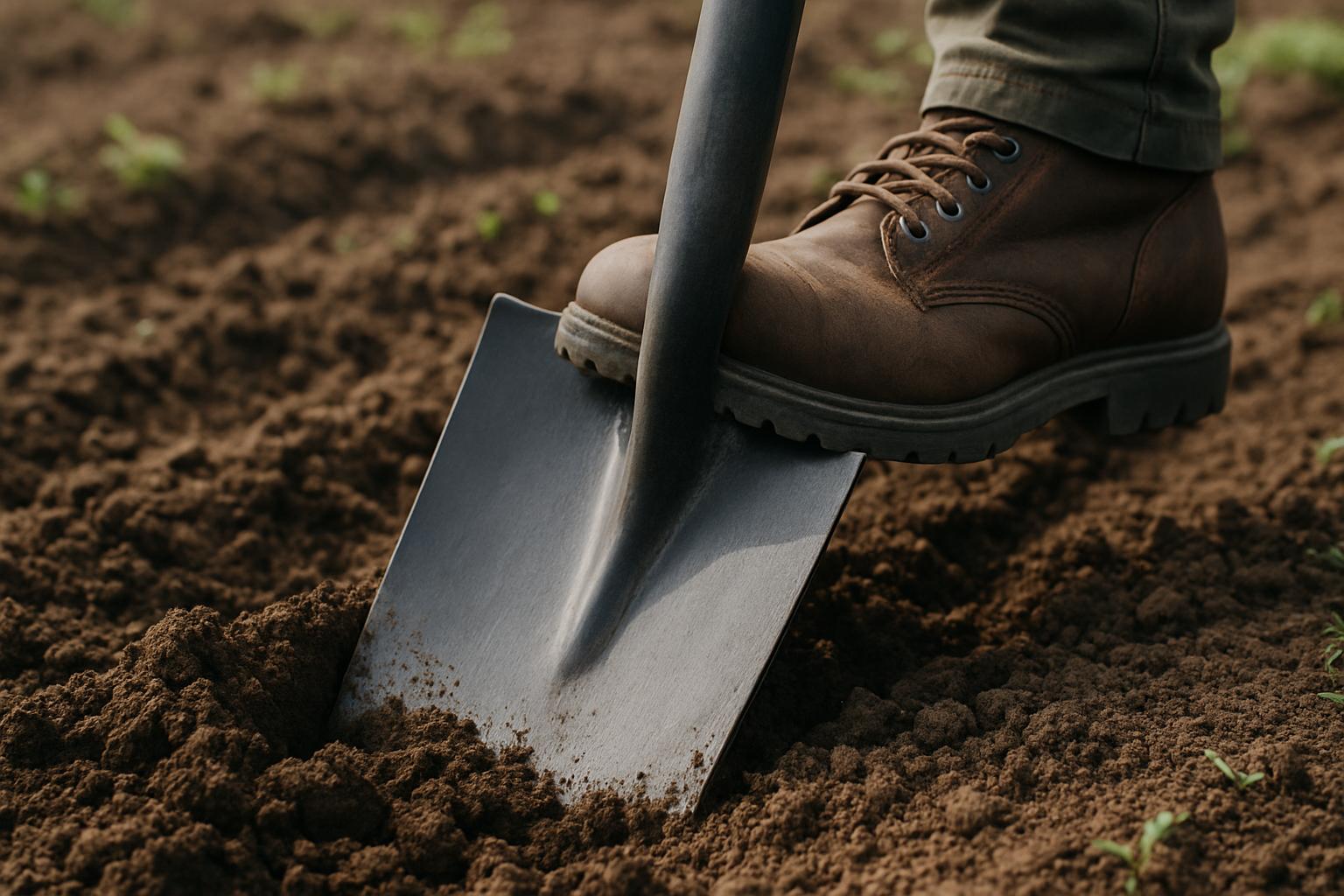
Farming is more than a livelihood—it’s a constant battle with the soil, the seasons, and the demands of modern agriculture. In this demanding world, tools make all the difference. Among these tools, the steel garden spade stands out as one of the most essential investments for farmers. Unlike cheap alternatives that bend, crack, or break under pressure, a well-crafted steel spade becomes a farmer’s reliable partner for years.
Understanding why steel garden spades outperform others requires a closer look at their durability, functionality, and long-term value. This isn’t just about having a piece of metal with a handle—it’s about efficiency, resilience, and smart farming choices.
The Role of Garden Spades in Modern Farming
Garden spades may seem simple, but they serve a critical role in agricultural work. From turning soil to digging planting rows, their function is versatile and indispensable. Farmers rely on them for tasks such as transplanting seedlings, edging garden beds, and managing compost piles.
The difference between a standard spade and a high-quality steel spade is evident in its ability to handle repeated, heavy use without faltering. Wooden or low-grade iron tools may serve for small backyard gardens, but large-scale or professional farming requires something stronger.
Garden spades also reduce the strain on a farmer’s body. The right weight, shape, and balance make digging less exhausting, a crucial factor during long hours of fieldwork.
Why Steel Makes the Difference
Steel garden spades excel because of their material strength. Steel is resilient, resistant to bending, and retains sharp edges far longer than aluminum or iron alternatives. Farmers deal with everything from soft loamy soil to dense clay and rocky patches—conditions where weaker tools would fail.
Steel spades are also resistant to corrosion when properly cared for. Stainless or carbon steel varieties, when combined with regular maintenance, ensure long-lasting utility. Unlike wooden-handled or plastic tools that degrade quickly, steel versions stand up to both time and weather.
Steel’s density also adds weight where it’s useful, providing extra force for cutting into tough soil. This built-in advantage makes labor more efficient, saving energy and time during demanding tasks.
- Steel blades retain sharper edges, cutting through soil efficiently.
- Handles reinforced with steel reduce breakage risk during heavy use.
Farmers who shift to steel garden spades rarely return to cheaper alternatives.
Investment Value: Why Farmers Should Choose Steel
Farmers see tools as investments rather than expenses. In the long term, a steel garden spade is more cost-effective because it lasts longer than less expensive models. A single steel spade can last for years without needing to be replaced like a cheap tool every season.
Productivity is directly impacted by this durability. Farmers are able to concentrate on the actual task at hand when they are not distracted by damaged gear. Improved field management, healthier crops, and eventually larger yields are all results of efficiency.
The financial return on durable equipment should not be underestimated. Research indicates that farms using higher-quality tools reduce annual tool replacement costs by up to 35%, a figure that directly boosts profitability.
For those seeking reliable options, the best way is to purchase Garden Spades Online, where farmers can compare specifications, read reviews, and select tools tailored to their specific soil and workload. This approach saves time and ensures access to a broader range of professional-grade spades than local shops often carry.
Practical Applications of Steel Spades
A steel garden spade is not limited to digging. Its applications expand across multiple farming activities.
Farmers often use them for soil preparation before planting, an essential step that determines crop success. A steel spade can break up compact soil layers, improving aeration and water absorption. When combined with compost or organic fertilizers, this creates a fertile base for crops.
They are also ideal for creating planting furrows. Uniform rows lead to better crop management, irrigation efficiency, and easier harvesting. A well-balanced steel spade ensures straight, deep rows without constant adjustments.
When working with manure or compost, steel spades resist staining and damage better than porous materials. They’re easy to clean, reducing the risk of cross-contamination between different fields or plant beds.
Ergonomics and Farmer Health
The physical demands of farm work are already high, and using the incorrect equipment might cause strain, injuries, or long-term pain. Steel spades with ergonomic designs strike a compromise between robustness and utility.
Steel’s weight distribution lessens undue pressure on the shoulders and wrists. A lot of contemporary steel spades have lengthy shafts for leverage, D-shaped handles, or padded grips. During extended digging sessions, farmers who use these tools report feeling less tired.
Inappropriate instruments are one of the main causes of repetitive stress injuries among agricultural workers, according to the Occupational Safety and Health Administration. Purchasing long-lasting, ergonomic spades helps farmers safeguard both their long-term health and productivity.
“Tools are extensions of the hand, but the right tools become extensions of the will.”
This quote highlights why choosing the right spade is not merely a practical choice—it’s an investment in both efficiency and well-being.
Comparing Steel with Alternative Materials
Before making a purchase, farmers frequently weigh various materials because not all garden spades are made equal.
Although they are traditional, wooden spades are prone to deterioration, splintering, and splitting when submerged in water. Although plastic versions are lighter, they are not as durable as those used in actual farm work. Although aluminium has some strength, it bends more readily when subjected to large loads.
Conversely, steel blends strength, durability, and versatility. Wider blades for hard digging, square heads for edging, or pointy tips for rocky soils are all possible with modern manufacturing techniques. Farmers can pick a spade that fits their environment because to its versatility.
A study on agricultural equipment durability published by ScienceDirect confirms that steel tools consistently outperform alternatives in high-pressure, professional farming contexts.
Maintenance: Ensuring Longevity
Despite their strength, steel garden spades still need some basic maintenance. They remain effective for decades if properly maintained.
After every usage, wipe the blade clean to get rid of dirt and plant debris. To avoid rust, make sure everything is completely dry. The steel surface can also be protected by sometimes applying a thin coating of oil. Sharpening the edge of carbon steel spades a few times a season keeps them in excellent shape.
Storage is also important. Store spades on racks or hanging vertically in a dry shed. By doing this, handle warping and blade damage are avoided. Even the strongest instruments have a longer lifespan thanks to little practices like these.
The Psychological Edge of Reliable Tools
The psychological effects of adopting reliable equipment are frequently underestimated by farmers. Confidence in everyday chores is increased by a steel spade that never fails under pressure. It lessens annoyance so that one can concentrate on farming instead of worrying about broken equipment.
Workflow consistency is another benefit of using trustworthy technologies. Weather and pests make farming unpredictable enough; tools shouldn’t make it much more so. During the busiest planting or harvesting seasons, this psychological dependability becomes completely indispensable
FAQs
- Are steel spades too heavy for daily farming?
Not necessarily. While heavier than plastic or aluminum, modern steel spades are designed with balance and ergonomic features to minimize fatigue. - How long does a steel garden spade last?
With proper maintenance, a high-quality steel spade can last 10 to 20 years, often longer. - Do steel spades rust easily?
Stainless steel varieties resist rust better, while carbon steel needs regular oiling. Both can last decades with care. - Is a steel garden spade worth the extra cost?
Yes. Though the upfront cost is higher, reduced replacement frequency and better performance save money long-term. - Can steel spades handle rocky or clay-heavy soil?
Absolutely. Steel is strong enough to penetrate compact soils and withstand rocky conditions without bending.
A Different Way to Keep Digging Forward
Steel garden spades are investments in long-term agricultural sustainability, health, and productivity, not just equipment. Under the most trying circumstances, they consistently provide outcomes, save money, and lessen labour fatigue.
Think of this as a beginning rather than a conclusion. Choosing how much you value efficiency and durability is the next stage. Every farm faces difficulties, but these difficulties can be overcome if the appropriate tool is used.
Every seed sown, every row excavated, and every harvest starts with the equipment you select, so keep going deeper.
Checkout more: Top 4 Alternatives to Imidacloprid and How They Compare